







Search Results for: wet puck

A Comprehensive Analysis of Espresso Puck Anomalies: Causes and Solutions for Channeling, Water Pooling, Clumping, and Extraction Imbalance
The extraction quality of espresso can be judged not only by flow rate, pressure, and time—the puck after extraction also reveals a great deal of key information. An ideal puck should be dry and level, structurally intact, and uniform in color. In practice, however, problems such as cratered surfaces, holes, standing water, loose structure, one half dry and the other half wet, or even a blackened bottom are all too common, and they often point to deviations in dose, grind size, distribution technique, or equipment pressure. This article systematically sorts out the manifestations and causes of six common puck abnormalities, offers targeted adjustment plans, and explains how to correct extraction through operations such as grinding finer while reducing dose, or grinding coarser while increasing dose, helping coffee enthusiasts consistently make a qualified espresso at home. [more…]
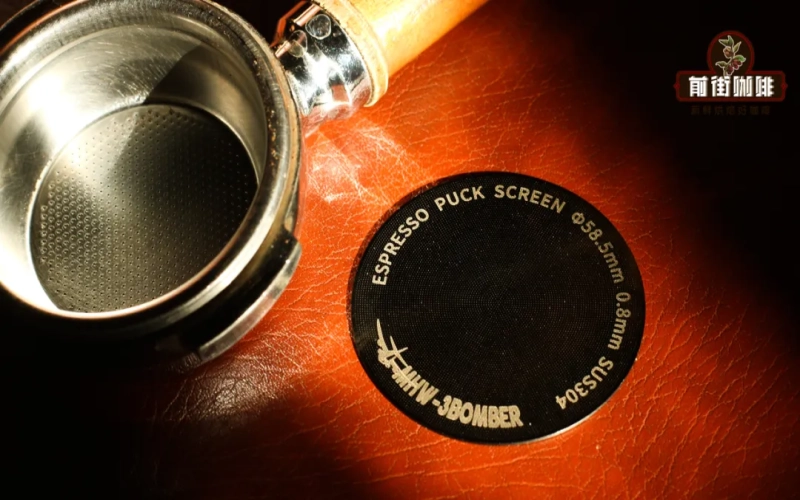
Analyzing the Practical Effects of a Secondary Dispersion Screen in Coffee Extraction: Can It Improve a Soggy Puck, and Is the Bomber Version Worth Buying?
Recently, a compact metal accessory has been generating quite a bit of discussion in the coffee community. Many enthusiasts see it as a handy tool for simplifying the extraction process—the secondary dispersion screen. What changes can this metal disc actually bring? Can it truly solve the common problem of wet, crumbly pucks after espresso extraction? In this issue, Front Street will analyze the core functions of the secondary dispersion screen, and combine that with hands-on experience using related products from the Bomber brand to provide an objective reference for coffee lovers who are still on the fence. [more…]
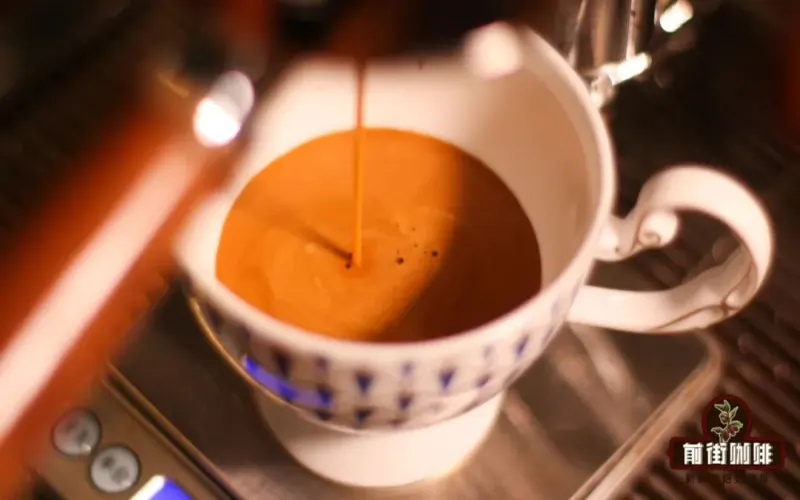
Espresso Extraction Troubleshooting: Causes and Solutions for Soggy Loose Pucks, Clumpy Crema, and Tiger Striping
When pulling espresso shots, have you ever encountered water pooling in the portafilter basket, a loose puck that won't hold its shape, or crema that clumps up quickly with tiger stripes appearing on the surface? Each of these phenomena actually has its own underlying cause. This article continues Front Street's series on common espresso extraction issues, breaking down key variables one by one—dose, grind size, coffee bean degassing, and fines distribution. From judging extraction evenness by puck condition, to understanding the relationship between crema clumping and coffee bean freshness, to clarifying whether tiger stripes really mean over-extraction, this guide helps you troubleshoot more accurately and adjust your parameters, making every espresso shot more stable and controllable. [more…]
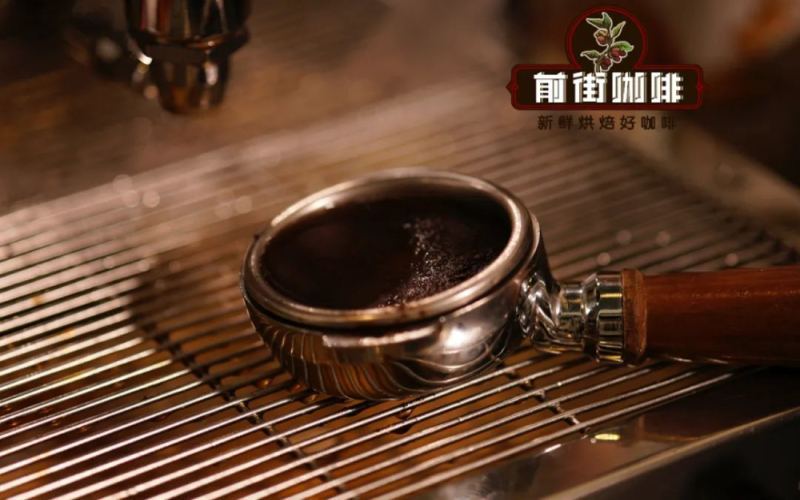
After espresso extraction, water pools in the portafilter basket? Analyzing the relationship between the basket, dispersion screen, and parameter adjustments
Many espresso enthusiasts have encountered this situation: after extraction, you remove the portafilter and find the puck wet and soft, unable to hold its shape, with a pool of water still sitting at the bottom of the basket. This is clearly not an ideal extraction state. Is the problem with the basket or the dispersion screen, or do the extraction parameters need adjustment? This article will analyze the possible causes of water accumulation one by one from the perspectives of grind size, coffee bean freshness, dose matching, group head cleanliness, and machine pressure, and provide corresponding solutions. The article will also share Front Street Coffee's dose control experience from daily dialing-in to help you find the root of the problem and return espresso extraction to a dry, intact puck state. [more…]
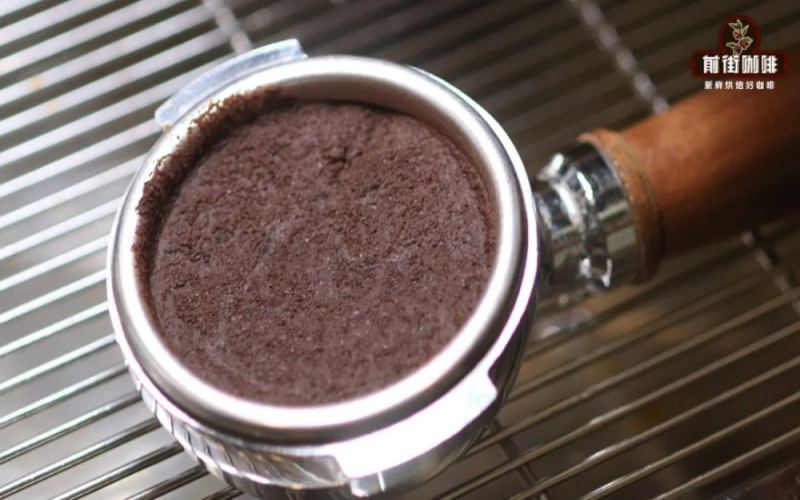
Analysis and Solutions for Residual Water in the Portafilter Basket After Espresso Extraction
After pulling an espresso shot, the ideal puck should be dry, intact, and come out in one solid piece without crumbling. But in practice, many coffee lovers run into a soggy, muddy puck with standing water at the bottom of the basket. This abnormal phenomenon is usually linked to four factors: grinding too fine, coffee beans stored too long so they lose carbon dioxide, too large a gap between the puck and the dispersion screen, and unstable extraction pressure in the espresso machine. This article breaks down the principle behind each cause one by one and offers corresponding troubleshooting and adjustment methods to help you quickly pinpoint the problem and get back to normal extraction. [more…]
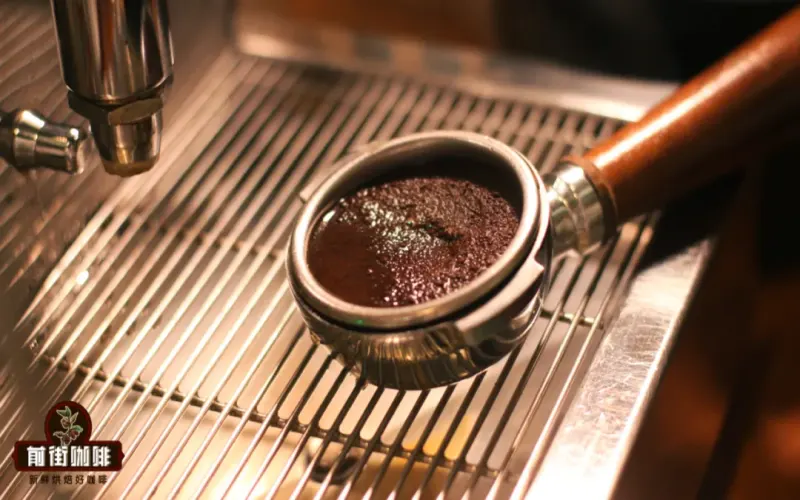
Analysis of the Causes of Watery Puck After Espresso Extraction: How Too Fine Grinding, Too Little Coffee Dose, and Insufficient Pressure Affect the Shot
When pulling espresso, you sometimes remove the portafilter and find a large amount of hot water left in the basket, with the puck wet, even loose and misshapen. This phenomenon not only affects consistency in the cup but also makes it hard to identify the root cause. Starting from the principles of espresso extraction and pressure release, this article systematically breaks down the three common causes of water pooling in the basket: grinding too fine, which impedes the flow of hot water through the coffee bed; using too small a dose, which leaves too much distance between the puck and the shower screen; and insufficient pressure on home machines, which weakens the back-suction effect. It also offers Front Street Coffee's adjustment suggestions to help coffee enthusiasts quickly pinpoint the problem and improve extraction flow rate and puck condition. [more…]
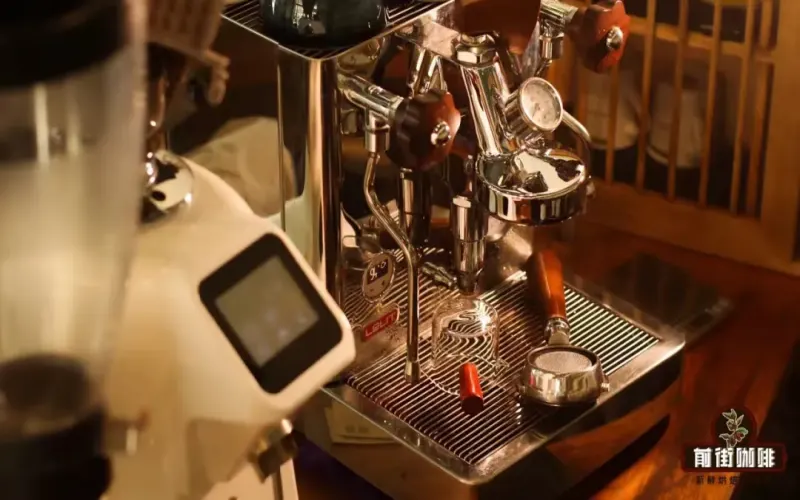
Espresso Extraction Details and Tamping Pressure Standards: Front Street Reviews Six Commonly Overlooked Operational Points
Espresso extraction is extremely short—just twenty to thirty seconds—yet it releases a large amount of flavor compounds from the coffee beans. Because of this, even a small operational oversight can cause the flow rate to spiral out of control and the flavor to become unbalanced. Many enthusiasts follow the same parameters and imitate the same steps, yet their output still falls short of the ideal. The problem often lies in those seemingly insignificant details. In this article, Front Street Coffee systematically reviews six operational points that are easily overlooked but can significantly affect extraction results, including common issues such as a wet portafilter basket, uneven distribution, repeated tamping, knocking the portafilter, forgetting to flush, and delaying the start after locking in the portafilter. It further explains the correct understanding of tamping pressure and the standard technique, helping everyone improve the consistency of their espresso output by paying attention to the details. [more…]
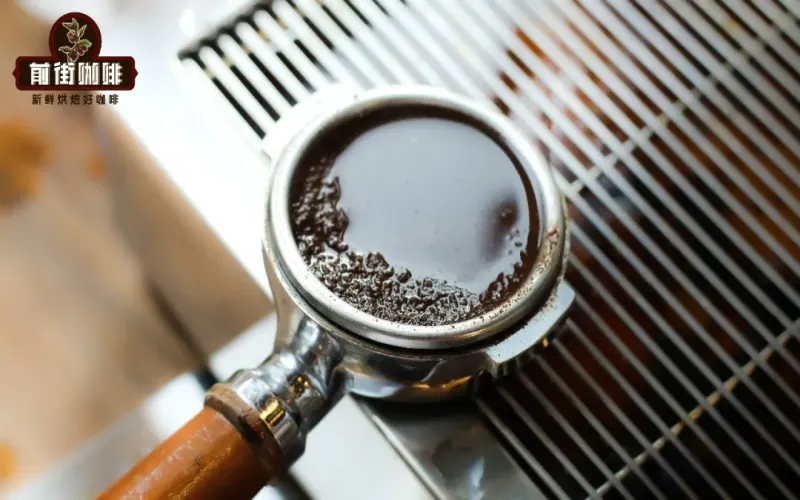
A Complete Analysis of the Causes of Water Pooling in Espresso Portafilters: How Dose, Grind Size, and Machine Condition Affect Puck Formation
After pulling an espresso shot, standing water left in the portafilter basket and a wet, mushy puck that won't hold its shape are problems many coffee enthusiasts run into. This article systematically sorts out several common causes of water pooling in the basket: too small a dose, a grind that is too coarse or too fine, and unstable pressure delivery from the espresso machine. The article points out that standing water is essentially a reflection of the extraction parameters and the machine's condition, and does not necessarily mean the coffee will taste bad; what truly affects flavor is the parameter error itself. Front Street suggests that if the flavor is off, you should first adjust the dose or the grind parameters to correct the coffee's taste, rather than simply fixating on the standing water. [more…]
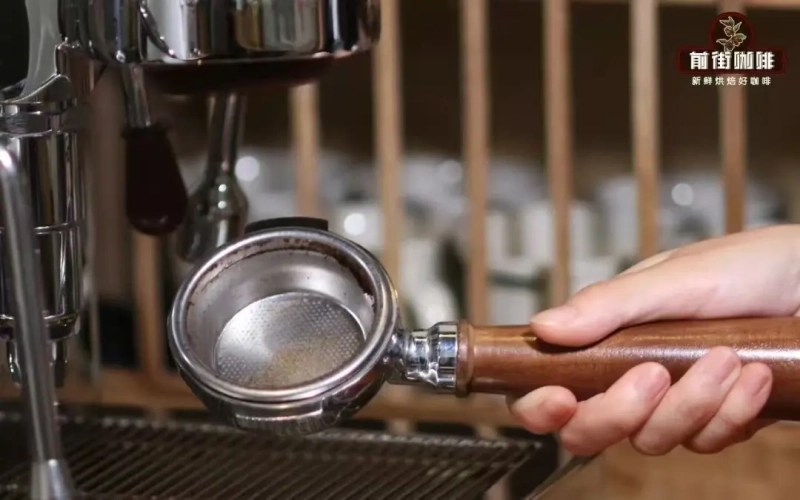
Why Does the Puck Stick to the Brew Head After Espresso Extraction? An Analysis of Operating Details and Causes
When using an espresso machine to extract espresso, many people have encountered the situation where the puck sticks firmly to the brew head. Once the puck falls off, it not only tends to crumble into the drip tray, but is also quite troublesome to clean up. Some people therefore believe that the coffee's flavor will become worse, but is that really the case? Front Street, based on an actual encounter, tasted the coffee extracted while the puck was stuck and analyzed the various operational factors that lead to this phenomenon, including the dose, the timing of removing the portafilter, and bumping before extraction, to help everyone more clearly understand the real reasons why the puck sticks to the brew head. [more…]
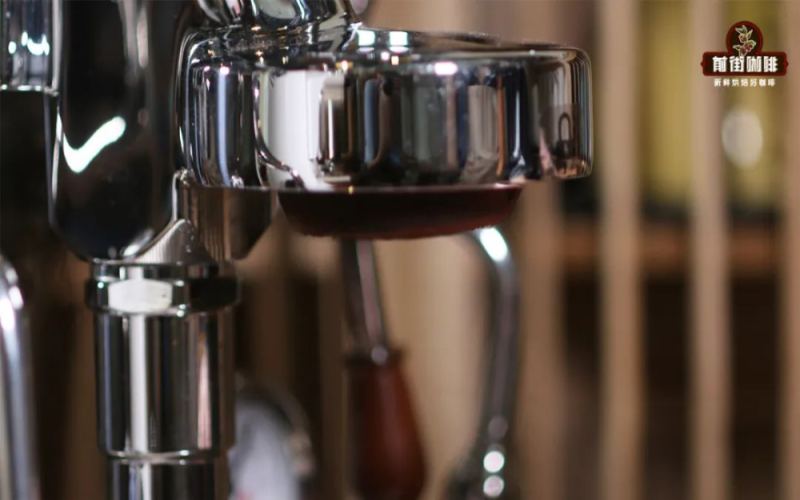
Why does the espresso puck stick to the group head? An analysis of the causes from dose, timing of removing the portafilter, and knocking to channeling.
When making espresso, the puck sometimes sticks to the dispersion screen of the group head. What exactly causes this? And does it affect the flavor of the coffee? This article starts with three common causes and analyzes them one by one: too much coffee grounds, failing to remove the portafilter in time after extraction, and the puck being knocked loose. Front Street will also draw on its own practical experience to explain the possible burnt and bitter taste issues that can arise when the puck comes into contact with the dispersion screen, as well as the impact of channeling on espresso performance, helping you judge in your daily service when there is no need to worry and when you need to adjust parameters. [more…]
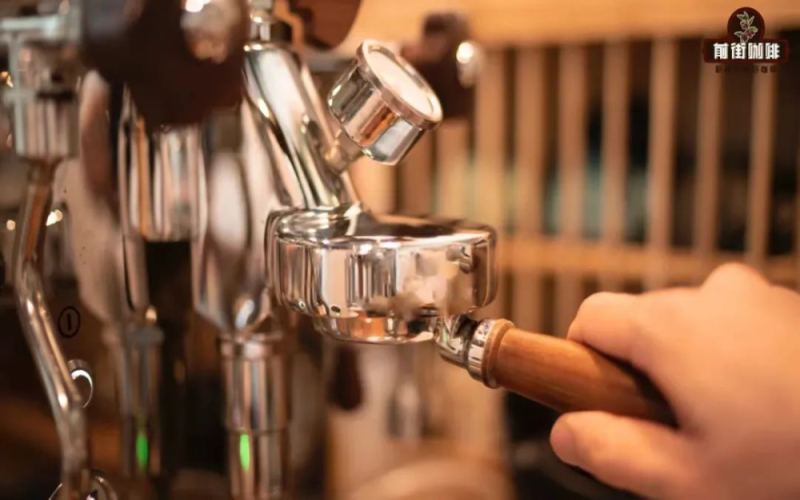
The Correct Way to Distribute and Tamp Espresso: How to Avoid Channeling and Improve Extraction Evenness
Making a proper espresso involves two seemingly simple steps—distribution and tamping—that actually hide many easily overlooked details. If the coffee grounds in the portafilter basket are unevenly distributed, or if the tamping method is improper, hot water will form channeling during extraction, causing some grounds to be over-extracted and others under-extracted, resulting in a final taste that is both sour and bitter. This article, from the perspective of Front Street, explains the respective roles of distribution and tamping, the principle behind channeling, and practical key points such as dosing, distribution needles, dosing cups, and tamping posture, to help coffee lovers make delicious espresso more consistently. [more…]
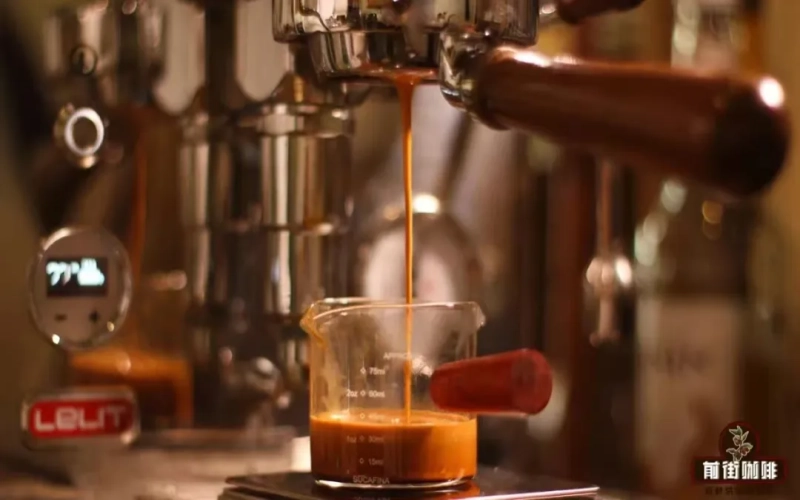
Is espresso pre-infusion actually useful? A comprehensive analysis from principle to practice
Pre-infusion is a frequently discussed feature in espresso extraction. Simply put, it involves soaking the coffee bed with a small amount of hot water or a low-pressure flow before the main high-pressure extraction begins, giving the coffee grounds time to degas and expand. Many people feel that their espresso is already good enough and that pre-infusion seems optional, but in specific scenarios, it can genuinely improve extraction quality. This article starts from the principles of pre-infusion, explaining how it increases extraction yield, reduces channeling, and which coffee beans are suitable for using the pre-infusion function. [more…]
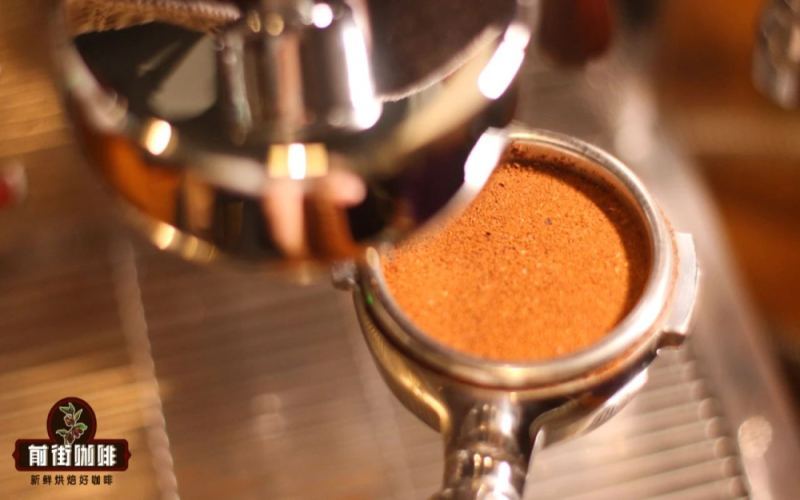
Practical Guide to Espresso Distribution and Tamping: How to Avoid Channeling and Make Delicious Espresso
To make a good espresso, distributing and tamping the coffee grounds are essential steps you can't avoid. At Front Street Coffee, we've found in our daily brewing that the core purpose of both steps is to prevent channeling—when the coffee grounds in the portafilter basket are unevenly distributed, hot water flows along the path of least resistance, causing some grounds to be severely over-extracted and others under-extracted, resulting in a final taste that is both sharply sour and bitter. Drawing on Front Street's hands-on experience, this article first explains why channeling occurs, then walks through the correct distribution technique, ideas for improving how you catch the grounds, and key points for tamping such as keeping your arm vertical and applying even pressure, to help you pull a consistently delicious espresso. [more…]
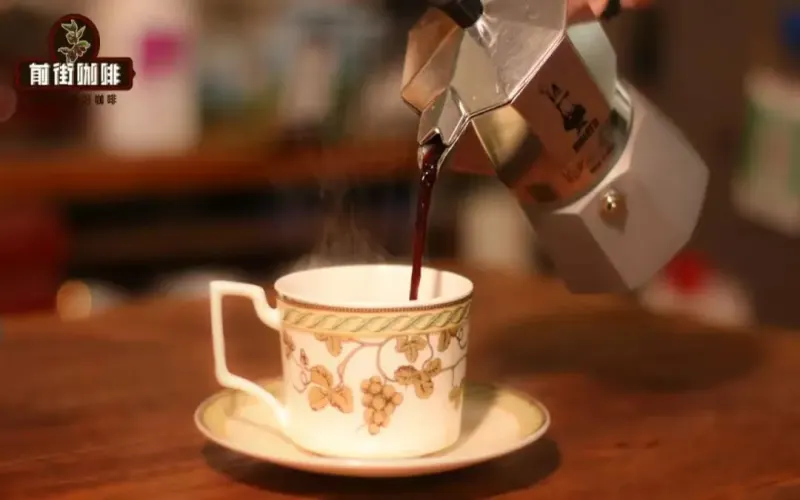
A Complete Analysis of Why Moka Pot Coffee Tastes Burnt and Bitter: The Three Key Factors of Channeling, Heat Control, and Grind & Water Amount
As a pressure-based extraction device, the moka pot is highly efficient but also extremely prone to over-extraction, and many coffee enthusiasts have experienced the trouble of burnt, bitter coffee with heavy off-flavors. After sharing moka pot-related content many times, Front Street Coffee found that channeling, excessively long heating time, and too-fine grinding with too much water are the three core causes of over-extracted moka pot coffee. This article will analyze the root causes one by one from the perspectives of even coffee distribution, initial water temperature and heat level, heat adjustment after liquid begins to flow, and the ratio of grind size to water amount, and provide practical improvement solutions to help everyone consistently make rich, delicious moka pot coffee. [more…]
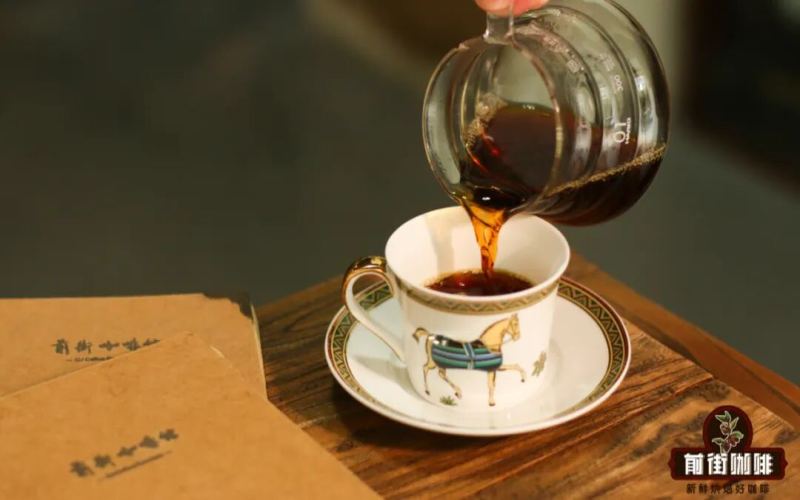
Coffee Brewing Tutorial | What Is Puck Management? Does the Coffee Puck Affect the Taste of Pour-Over Coffee? How to Master Puck Management to Make Coffee Taste Better?
We often hear experienced coffee enthusiasts or bloggers say something like this: "Master your puck bed management, and your pour-over coffee will taste better!" Some friends find this quite puzzling! Since they've just started out, they haven't even had the chance to figure out what exactly a puck bed is, let alone manage it. [more…]
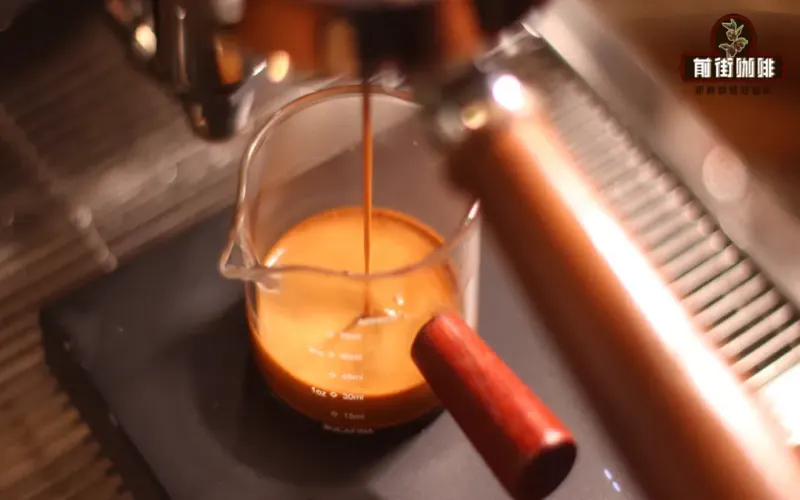
The Complete Espresso Extraction Process: Espresso Grinder Cleaning and Analysis of Eight Key Details
An espresso, from grinding to extraction, often takes less than a minute. It seems simple, but in reality it hides many variables that affect flavor. At Front Street, we repeatedly emphasize in our daily preparation that even if a perfect set of extraction parameters has been locked in during morning calibration, the final cup can still be greatly compromised if any operational step is slightly neglected. This article focuses on the complete process of making espresso with an espresso machine, sorting out one by one eight easily overlooked details—from hopper pressure, portafilter basket cleaning, and observing the grounds output, to distribution and tamping, pre-flushing, knocking the portafilter, extraction timing, and post-use cleaning—to help coffee lovers achieve consistent results and continually obtain the ideal espresso flavor. [more…]
Practical Guide to Espresso Distribution and Tamping: Extraction Details to Avoid Channeling
To craft a proper espresso, distribution and tamping are two essential steps you can't avoid. Many coffee enthusiasts encounter problems during extraction such as sharp acidity, bitterness, and muddled layers—the root cause often lies in the evenness of the coffee puck's distribution. From the perspective of Front Street, this article systematically sorts out the purpose of distribution, common misconceptions, and improvement methods, and further explains the correct tamping posture and practice points. Whether you're a beginner who just got an espresso machine or a professional looking to improve shot consistency, you'll find actionable operational ideas to make every espresso extraction more controllable. [more…]
The Complete Espresso Extraction Process: Eight Key Details from Grinding to Serving That You Can't Overlook
An espresso from grinding to extraction often takes less than a minute; it seems simple, but in fact it hides quite a few subtleties. Many enthusiasts finally find an ideal set of extraction parameters during their morning dial-in, only to overlook details in subsequent operations, resulting in inconsistent output and a greatly diminished flavor. This article follows the actual order of operations and goes through, one by one, the easily overlooked points in eight stages: puck pressure, portafilter basket cleaning, observing the grounds condition, distribution and tamping, pre-flushing, knocking the portafilter, extraction timing, and cleanup afterward, helping everyone consistently get full-flavored, parameter-stable espresso on a home espresso machine. [more…]
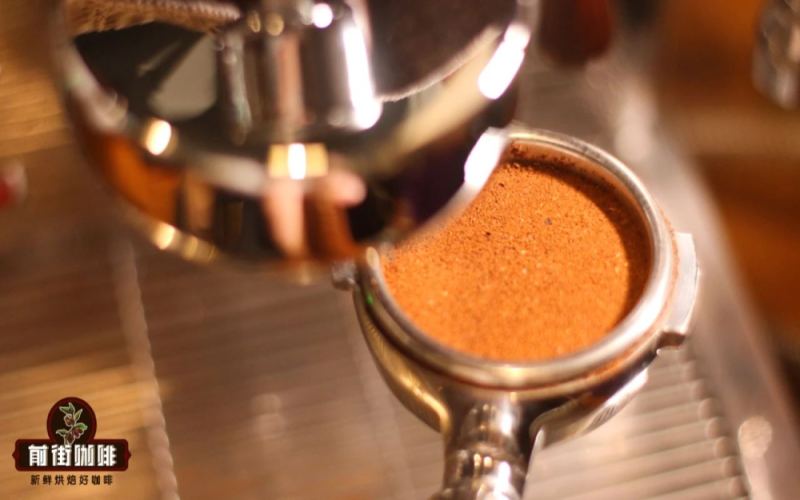
Master the Four Key Details of Espresso and a Flavor Analysis of Four Front Street Coffee Blend Beans
Espresso is the cornerstone of the Italian coffee system. A cup of Espresso may look simple, but in reality every step from dosing to extraction hides its own subtleties. Drawing on years of hands-on experience, Front Street Coffee has sorted out four core details that cannot be overlooked when making espresso: drying the portafilter basket, distributing the grounds evenly, tamping level, and extracting quickly, and it points out the mistakes that easily occur at each stage along with the corresponding solutions. At the same time, the article also introduces the blending approach behind Starbucks Espresso Roast beans, and shares in detail the recipe ratios, roasting direction, and flavor characteristics of four espresso blend beans under Front Street—Specialty Blend, Commercial Blend, Basic Blend, and Sunflower Warm Sun—to help coffee enthusiasts and café owners choose the espresso beans that suit their own needs. [more…]
Does a Moka Pot Need a Filter Paper? A Complete Guide from Extraction Principles to Step-by-Step Operation
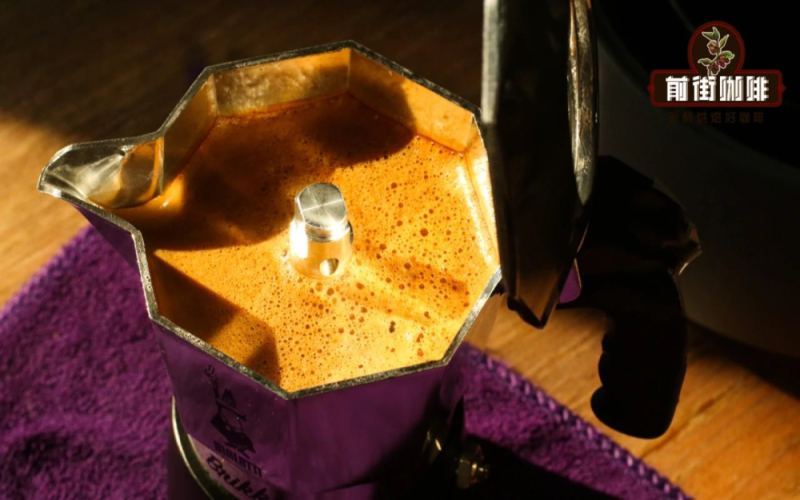
The moka pot, with its convenient operation and rich, espresso-like output, has become the daily first choice for many coffee lovers. There have always been differing views on whether a moka pot needs to use a filter paper. This article starts from the actual testing by Front Street Coffee, analyzes the effects of placing filter paper at the bottom of the filter basket and above the coffee puck during moka pot extraction, and, combined with the selection of coffee beans suitable for moka pots and grinding degree standards, gradually explains the key operating points of the entire process from adding water, loading coffee, to heating and extraction, helping you make a cup of moka pot coffee with a clean taste and full-bodied flavor. [more…]